Maho beauty

Maho beauty
“Come, butterfly It's late- We've miles to go together.” ― Matsuo Bashō, On Love and Barley: Haiku of Basho
Rodomi pranešimai su žymėmis kyoto. Rodyti visus pranešimus

2015 m. gegužės 31 d., sekmadienis


Temple of clear water - Kiyomizu-dera


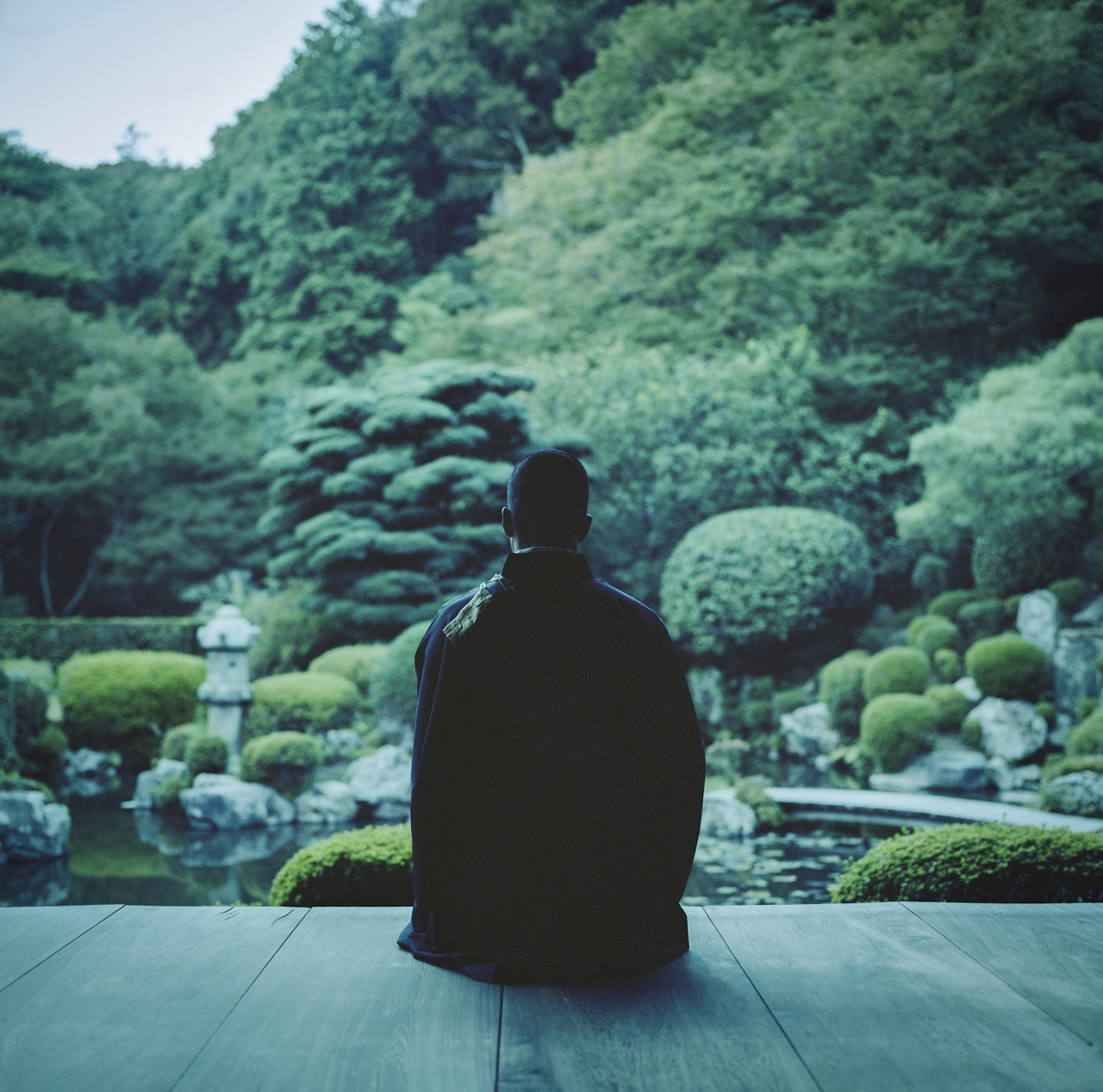
“Heaven and earth and I are of the same root,

The ten-thousand things and I are of one substance.”- Seng-chao

Located halfway up Otowa Mountain in the eastern part of Kyoto City, Kiyomizu-dera is a historic temple that was established in 778, even before Kyoto became the capital of Japan. 
Kiyomizu-dera (the temple of clear water) was named after Otowa Waterfall. Water from a spring in the mountain has been falling there since its foundation. Fifteen colorfully-painted halls and pagodas stand in its verdant precincts.


http://www.kiyomizudera.or.jp/about/parson.html


2015 m. gegužės 28 d., ketvirtadienis


藤 - Fuji - Beautiful Japanese Wisteria 

May is the season of wisteria flower, also known as Fuji (ふじ ). During this season, there are beautiful Fuji flower displays around Kyoto. Have you seen Wisteria flowers around your city? *^^*

Visterija arba Fudži - tai gegužę pražystantis vijoklinis krūmas, galintis užaugti iki 15-18 metrų aukščio. Sakoma, kad visterija yra vienas seniausių žydinčių medžių visame Japonijos archipelage.

Wisteria, fuji 藤 (ふじ )
https://www.facebook.com/katsumi.kamamoto?fref=ts


To enjoy the beauty of colorful and blooming flowers, you should go to Ashikaga Flower Park – which attracts a lot of tourists annually coming to contemplate. With approximately 8.2 hectare, the park owns 3 big Wisteriatrusses, with the size is about more than 1000m2, in addition to a rare dual one. Moreover, the park also has a more than 100-year-old Fuji tree, spreading its branches, forming a giant umbrella with flowers covering all over it and an 80 meter tunnel which is made from white Fuji flower looks so beautiful.
Source: https://www.flickr.com/photos/aflanio/4579488101


2015 m. gegužės 12 d., antradienis


Gorgeous Japanese beauties by Phil Couture

Phil Couture is a realist painter currently residing in Kyoto, Japan. Exploring new cultures becomes a running theme in Phil’s work. 

Official website: http://philcouture.com/

http://philcouture.com/


http://philcouture.com/

2015 m. gegužės 5 d., antradienis

Geisha and Plum Blossom Festival

The word geisha consists of two kanji characters, 芸 (gei) meaning “art” and 者 (sha) meaning “person” or “doer.” The most literal translation is “artist,” “performing artist,” or “artisan.”
Tea ceremony at Baikasai (Plum Blossom Festival) on February 25th in Kyoto. Source: https://www.facebook.com/discoverkyoto


An event that combines Shinto spirituality, seasonal plum blossoms, green tea , and lovely maiko and geiko, Kitano Tenmangū's Baikasai (Plum Blossom Festival) on February 25th is a must-see for anyone lucky enough to be in Kyoto!
Kitano Tenmangū in northwestern Kyoto deifies the god of scholarship, Tenjin, and serves as the head shrine of over 10,000 Tenjin shrines around the country. In the ancient past Tenjin was a man named Sugawara no Michizane, who died in exile in Dazaifu, Kyūshu. A poet as well as a politician and scholar, Michizane was known for his fondness of the plum tree, and before he left the capitol wrote a particularly famous poem urging his beloved plum tree to continue blossoming in his absence, which is why there are so many ume (plum) planted on the Kitano Tenmangū grounds. Each year on the anniversary of Michizane's passing the shrine performs important rites in order to remember the mortal man and pacify his deific spirit within the main hall, while a more cheerful atmosphere reigns outside amidst the plum blssoms, as geisha from the Kamishichiken District turn out in colorful kimono and sporting plum-themed hair accesories, serving tea in an outdoor ceremony. Source: https://www.facebook.com/discoverkyoto

The nodate (outdoor tea ceremony) is particularly popular with Kyoto citizens and tourists alike, as it is an opportunity not just to see a geisha up close, but to be served tea and even exchange a few words. These traditional Kyoto idols are popular worldwide for their grace and beauty, but most people do not have the connections in order to actually spend time in their company at a teahouse or a banquet. But at the Baikasai, a ticket worth 1,500 yen secures your entry to the outdoor tea ceremony, which comes with a traditional sweet, a cup of tea, and a chance to see these culture-preserving women at work. Source: https://www.facebook.com/discoverkyoto

Source: https://www.facebook.com/discoverkyoto

2015 m. gegužės 2 d., šeštadienis


GIFT IDEAS: ADORABLE JAPANESE STYLE COSMETIC MIRRORS

One more Japanese Mothers Day gift idea: how about traditional Japanese cosmetic mirror with Maki-e style decor? This adorable mirrors surely will be appreciated by even the most shrewd of collectors. With its intricate detailing and accompanying plaque, these mirrors are a fine example of Japanese craftsmanship ♪


This original Kaga Ishikawa Japanese Lacquerware compact mirror is made with high precision to details. A delightful combination of 1,500 years Japanese traditional lacquerware art with our Modern Life.
http://www.mahobeauty.com/index.php?route=product%2Fproduct&path=20_63&product_id=105

Stylish and small compact mirror which would fit into any size handbag and would make a very attractive little present. Elegant and fashionable design. The surface of this mirror is beautifully decorated with lovely picture of silver running rabbits. http://www.mahobeauty.com/index.php?route=product%2Fproduct&path=20_63&product_id=106

Traditional Japanese kimono pattern hand mirror. Every handmade mirror has different design and wonderfully ornamented kimono pattern on them. http://www.mahobeauty.com/index.php?route=product%2Fproduct&path=20_63&product_id=232

SET OF TRADITIONAL JAPANESE SAKURA PATTERN HAND MIRROR AND POUCH BAG - RED http://www.mahobeauty.com/index.php?route=product%2Fproduct&path=20_63&product_id=109

Set of traditional Japanese Sakura pattern hand mirror and pouch bag  http://www.mahobeauty.com/index.php?route=product%2Fproduct&path=20_63&product_id=107

Mirror comes with soft Japanese kimono pattern pouch (Kinchaku in Japanese), which protects it from scratches.  http://www.mahobeauty.com/index.php?route=product%2Fproduct&path=20_63&product_id=108