http://gon-ta.com/
2015 m. balandžio 28 d., antradienis
žymės:
Asian style,
inspirational,
JAPANESE art,
japonų,
maho,
modern art,
palladium prints,
photography of Japan,
symbolism,
surreal,
Taichi Gondaira,
Tales From Japan,
traditional Japanese
2015 m. balandžio 26 d., sekmadienis
Japanese traditions captured in photography of Hiroshi Watanabe
Hiroshi Watanabe is a photographer interested in places and people. Capturing traditions and locales that hold a personal interest for him, Watanabe was drawn to various elements of Japanese culture.
![]() |
| Photography of H. Watanabe http:// |
Particularly interested in forms of theatricality, Watanabe sought to capture individual performers within the traditions of Sarumawashi, Noh, Ena Bunraku and Kabuki.
Stylized human actors, monkeys, masks and puppets become the subject matter of Watanabe’s striking and powerful photographs. Though the traditions come from different regions and periods of history, they are tied together by Watanabe’s eye.
![]() |
| http://beautifuldecay.com/ |
![]() |
| http://beautifuldecay.com/ |
Source: http://beautifuldecay.com/
2015 m. balandžio 23 d., ketvirtadienis
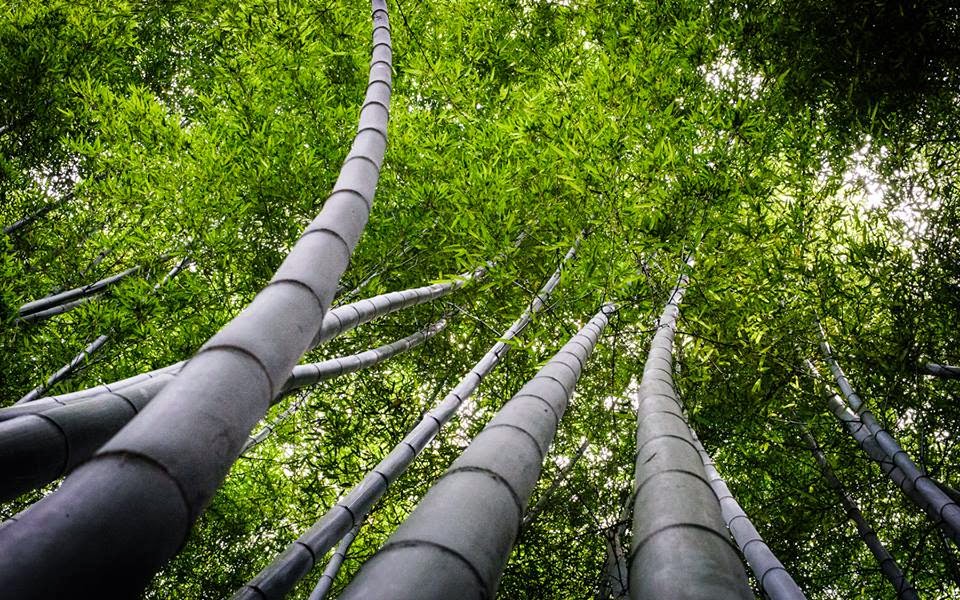
TAKE - Japanese bamboo
Japanese bamboo (take) is a very strong plant. In Japan, the symbolism of the bamboo plant runs deep and wide and offers practical lessons for life and for work. Some of bamboo inspired wisdom:
Bend but don't break. Be flexible yet firmly rooted;
Remember: What looks weak is strong;
Be always ready;
Find wisdom in emptiness;
Commit to (continuous) growth;
Express usefulness through simplicity.
![]() |
| Simple and unadorned, the bamboo is also symbolic of purity and innocence. "Take o watta youna hito (a man like fresh-split bamboo)" refers to a man with a frank nature. More here: http:// |
![]() |
| Express usefulness through simplicity Aikido master Kensho Furuya says that "The bamboo in its simplicity expresses its usefulness. Man should do the same." Indeed, we spend a lot of our time trying to show how smart we are, perhaps to convince others — and ourselves — that we are worthy of their attention and praise.Source: http:// |
žymės:
budizmo,
inspirational,
išmintis,
japanese bamboo,
metaforos,
old sayings,
patarlės,
proverbs,
rytų,
simbolika,
symbolism,
take,
wisdom quotes,
zen wisdom
2015 m. balandžio 21 d., antradienis
Folding an adorable towel bunny Japanese way!
Super mielas zuikutis išlankstytas iš rankšluosčio!
Fold the towel in half diagonally so you make a triangle. Slightly offset the top points. It looks like Mount Fuji! Perlenkite rankšluostį suformuodami trikampį, galls palikite šiek tiek prasilenkiančius, kad atrodytų kaip kalno viršūnės :)
Pull on the top points a little to make them completely straight. Grasp the bottom of the towel (Mount Fuji’s base) and roll it 3/4 of the way up.
Suimkite "kalno" apačią ir sukite į rulonėlį link "viršūnių". Tada šiek tiek įlenkite ties viduriu duformuodami būsimą zuikučio snukutį. "Kalnų viršūnės" dabar bus zuikučio ausys. Timptelkite jas ir išgaubkite, kad įgautų gražią ausų formą.
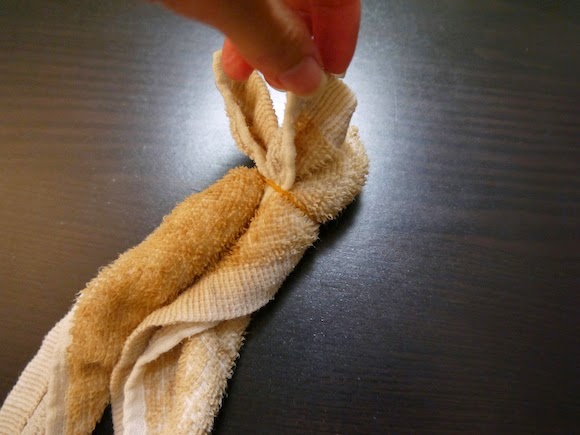
Just to make things a lot easier while finishing off the rest of the body, secure a rubber band around the rabbit’s neck (the part behind the ears). You can skip this part once you’ve gotten used to making towel bunnies, but for now, let’s use it.
Kad zuikutis neprarastų formos, sutvirtinkite jo kūnelį gumyte (apsukite vietą už jo ausų).
Slightly open the two rolls of towel that are sticking out. Cross the two open rolls over each other. These are your bunny’s legs! Fold the legs under the bunny’s body, making sure the front legs are nestled under his chin. Secure the bunny’s feet with the same rubber band that’s around his neck.
Šiek tiek praskirkite ir sukryžiuokite likusius rankšluosčio "rulonėlius", tada sulenkite juos, kad galai atsidurtų ties zuikučio snukučiu - tai bus zuikučio pėdutės. Sutvirtinkite pėdutes ta pačia gumute, kurią apvyniojote už jo ausų.
Fluff up the backside and you’ve got yourself an adorable towel bunny!
Dabar tiesiog papurenkite zuikučio kūnelį, kad ygautų daugiau tūrio. Štai ir viskas - mielas minkštas zuikutis baigtas :)
Source: http://youpouch.com/2014/02/04/167218/ http://en.rocketnews24.com
2015 m. balandžio 20 d., pirmadienis
Stunning art by Kohei Nawa
This is so amazing: http://headroncollider.com/pixcell-kohei-nawa/ by Japanese sculptor, Kohei Nawa.
žymės:
artist,
Asian style,
craftsmen,
Incredible art,
installation,
JAPANESE art,
japonų,
Kohei Nawa.,
mind-blowing,
reflective,
save planet,
sculptor,
Sculptures,
surreal,
traditional Japanese
2015 m. balandžio 19 d., sekmadienis
Ephemeral and so beautiful photography series "Tales From Japan" by photographer Reylia Slaby
http:// www.loeildelaphotographie.c om/2014/09/27/ the-eye-of-readers/26256/ reylia-slaby-tales-from-jap an
http://
Photography series "Tales From Japan" by photographer Reylia Slaby
žymės:
asian art,
Asian style,
beauty,
Incredible art,
JAPANESE art,
japanese artist,
japonė,
japonų,
kimono,
maho,
menininkės,
photography japan,
Reylia Slaby,
Tales From Japan
Užsisakykite:
Pranešimai (Atom)